Where is the Colorado River going?
Northern Arizona UniversityMore than half of the American West’s iconic river is being diverted, mostly for use in irrigated agriculture, according to a study released today.

More than half of the American West’s iconic river is being diverted, mostly for use in irrigated agriculture, according to a study released today.

The United Soybean Board Joins the International Phytobiomes Alliance as a sponsoring partner and will join the Coordinating Committee to contribute to the advancement of phytobiomes research to provide sustainable solutions for agriculture.

New research from the U.S. Department of Agriculture (USDA) and Virginia Tech suggests that technologies such as controlled environment agriculture and agrivoltaics may become part of the future of farming. Controlled environment agriculture systems are typically enclosed or indoors.

Agricultural occupations are hazardous with one of the highest rates of workplace injuries and fatalities in the U.S. Understanding the nature and causes of injuries can help improve safety guidelines and policy measures. Two new papers from the University of Illinois Urbana-Champaign provide a systematic review of academic literature on agricultural injuries in the U.S. and globally.

Understanding the structure of crop canopies is essential for optimizing crop production as it significantly influences resource utilization efficiency, yield and stress resistance.

High temperatures during critical periods of the reproductive cycle of sheep result in 2.1 million fewer lambs produced in Australia each year, costing sheep farmers an estimated $97 million annually.

The College of Agricultural, Consumer and Environmental Sciences (ACES) at the University of Illinois Urbana-Champaign will unveil plans for a global center for food and agricultural communications today at 2 p.m. Central Time on The Cowboy Channel as part of the National Ag Day celebration.

Soybeans, valued for their use as both oilseeds and grains, encounter yield limitations compared to crops like maize and rice, emphasizing the necessity for developing higher-yielding varieties .

Amidst challenges like a booming global population and diminishing arable land, plant phenotyping offers a way to automate agriculture and improve crop diagnostics.

Many still showed signs of dehydration in the morning after a shift

In an analysis of more than 3,000 European firms, they found that many – particularly in science, retail trade, finance, real estate and manufacturing – are increasingly opting for ready-made technology that can be tailored to the specific needs of the firm.

A Chula researcher has been successful in adding value to agricultural waste generated by industrial factories by transforming cassava waste and sewage sludge into organic fertilizer to replace the use of chemical fertilizers. He has also come up with a special formula of microbial inoculum that increases nutrients needed by plants.
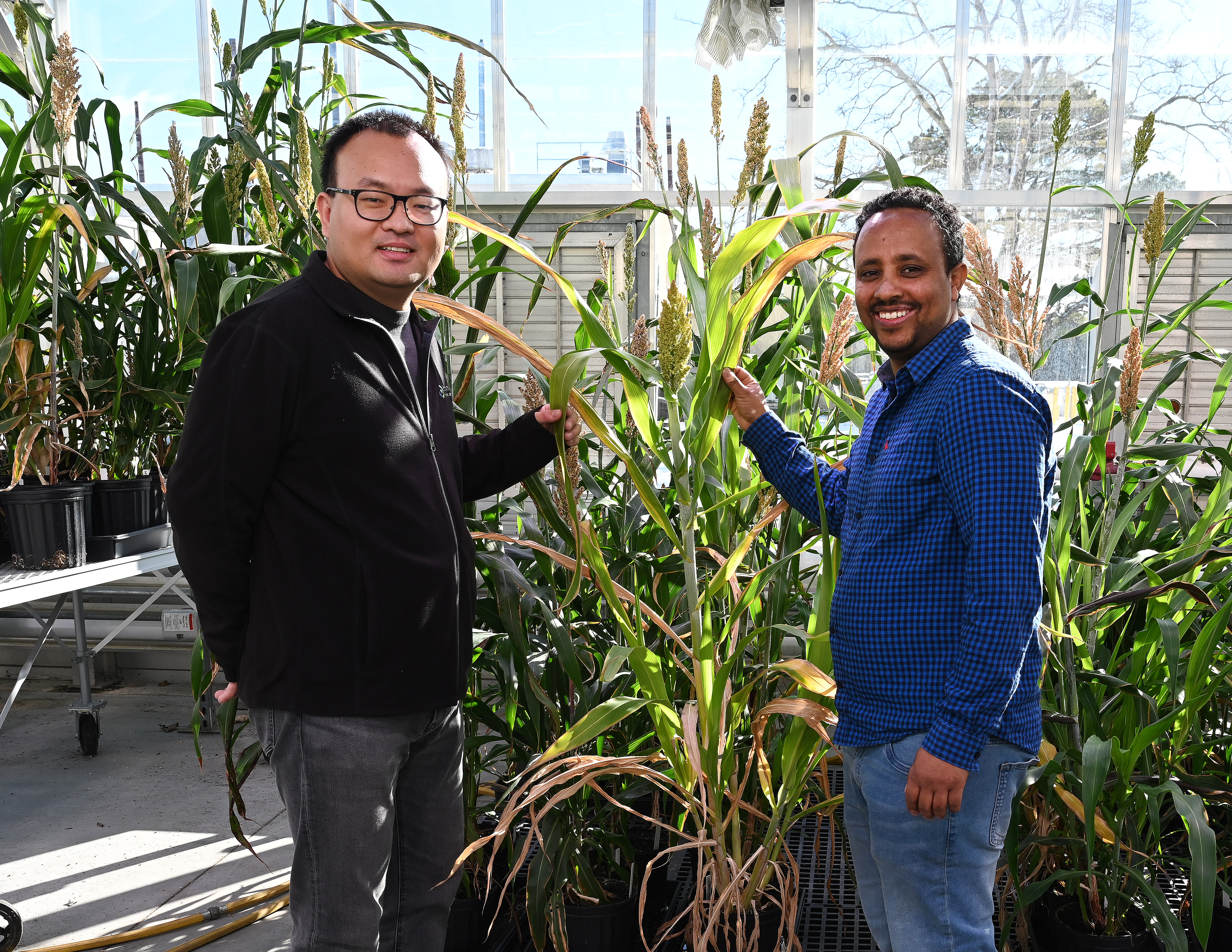
Scientists at the U.S. Department of Energy’s (DOE) Brookhaven National Laboratory and Oklahoma State University have identified key genes and the mechanism by which they control flowering in sorghum, an important bioenergy crop.

The Donald Danforth Plant Science Center and the Ethiopian Institute of Agricultural Research (EIAR) have received a $4.9 million grant from The Bill & Melinda Gates Foundation to build on previous advances in gene editing of tef for reduced height and lodging resistance in advanced, farmer preferred tef lines.

The International Alliance for Phytobiomes Research is pleased to announce that Mosaic Biosciences™ has joined the organization as a sponsoring partner.

An international collaboration of scientists with the participation of an ecologist from RUDN University conducted the first global analysis of leaf type. In addition, the authors described the current state of forests and said what will happen to them by the end of the century due to climate change.

RUDN engineers found how internal combustion engine performance changes with rapeseed oil instead of regular diesel fuel. This data will help regulate engine operation and, in the future, switch to plant biofuel.

Despite the fervor around electric vehicles and their potential to reduce the transportation sector’s carbon footprint, 2023 projections suggest EVs won’t edge out gas-powered vehicles for decades to come. With conventional vehicles likely to dominate the ground fleet for the foreseeable future, University of Illinois Urbana-Champaign experts say cellulosic biofuels shouldn’t be discounted.

When broiler chickens are busy fighting the parasitic infection coccidiosis, they can’t absorb nutrients efficiently or put energy toward growth. With consumer sentiment pitted against antimicrobials and other drugs, producers still have some options to ensure optimal growth during inevitable outbreaks. New research from the University of Illinois Urbana-Champaign suggests diet changes might help.
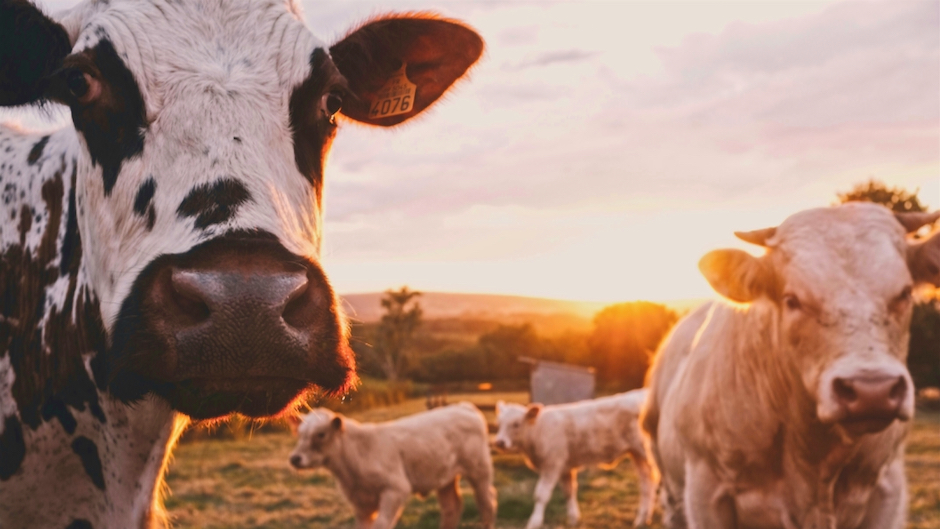
A new study co-authored by University of Miami professor uncovers how agriculture companies have downplayed their role in climate change.

RUDN University ecologists have discovered that eucalyptus leaves can cure apples from fungal diseases. They can be a natural alternative to toxic fungicides.
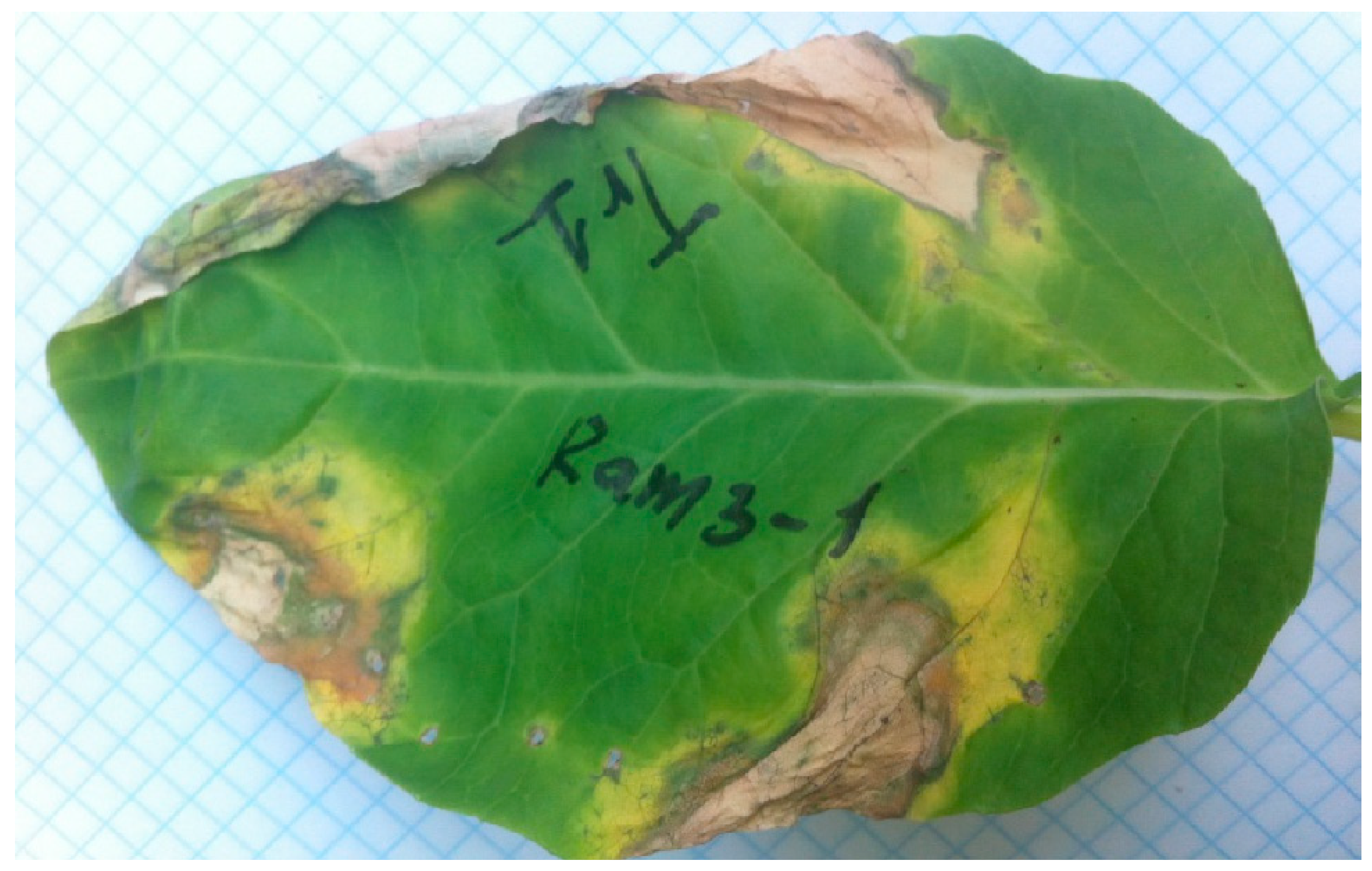
RUDN University agronomists have discovered a bacteriophage that destroys bacteria dangerous to cabbage and other plants.
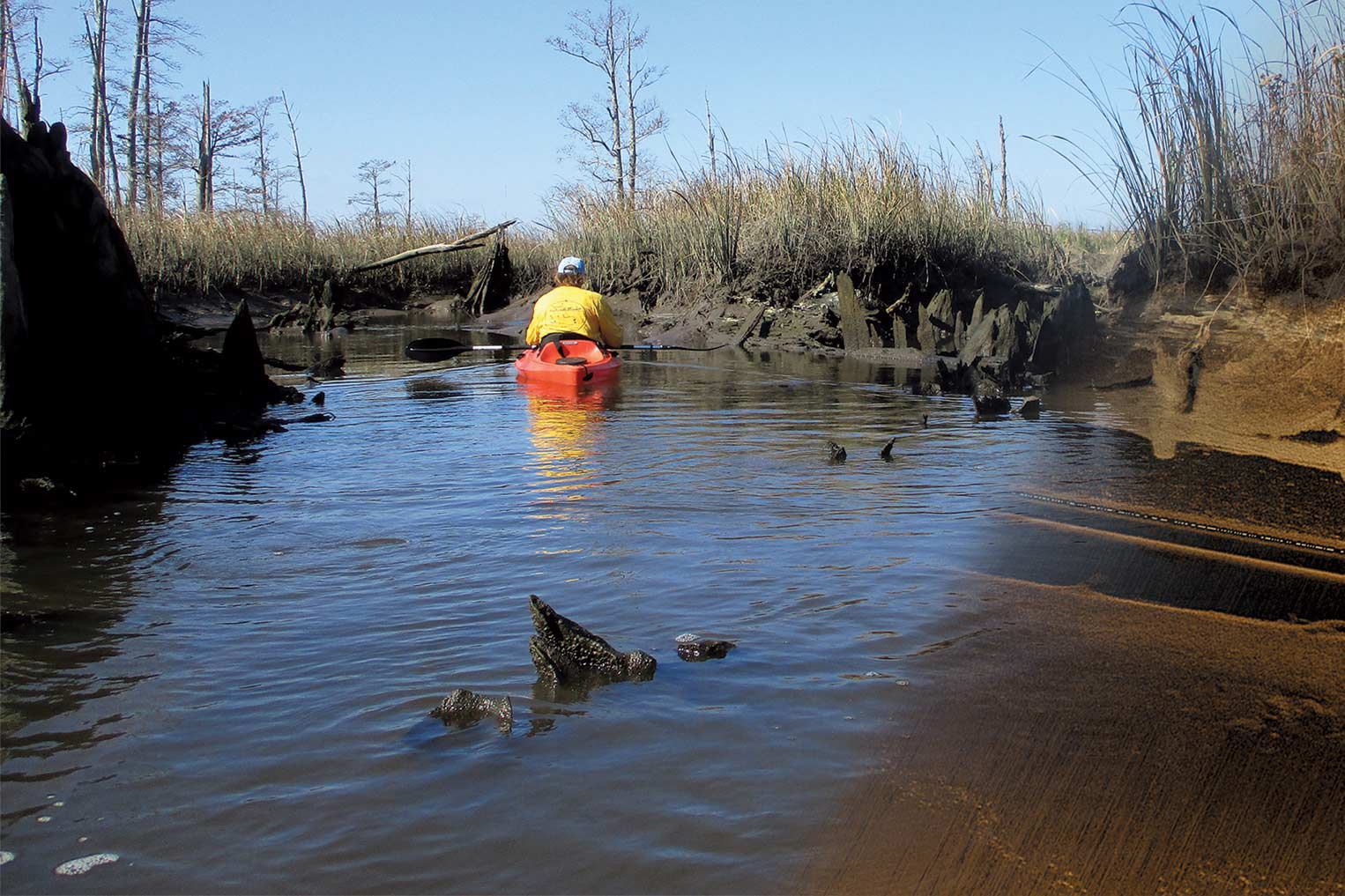
UNC Wilmington environmental sciences assistant professor Joni “Osku“ Backstrom and Mark Wilde-Ramsing, underwater archaeologist and former director of the Underwater Archaeology Branch of the North Carolina Office of State Archaeology, have traversed the lower Cape Fear and Brunswick rivers searching for archaeological evidence of the rice fields once situated along the rivers’ banks.

Weedy rice is an agricultural pest with a global economic impact. It is an aggressive weed that outcompetes cultivated rice and causes billions of dollars in yield losses worldwide. A study from Washington University in St. Louis offers new insights into genetic changes that give weedy rice its edge over cultivated rice in tropical regions of the world.

To meet the rising demand for renewable diesel fuel, the U.S. soybean market is rapidly changing. A group of Iowa State University students recently spent a week studying soybean supply chains in person, a trip that stretched from Midwestern processing plants to Pacific Northwest ports.
Preferential trade agreements enable Norway to import large quantities of meat from Africa. This may undermine climate change mitigation in the agricultural sector.

Lead contaminates fertile soils. RUDN University agronomists have proven that phytohormones mitigate the consequences of soil contamination with lead. These phytohormones are produced by the plants themselves, but additional soil treatment helps to better cope with the toxic effects of the metal.

You’d think the complex flavor in a quality cup of tea would depend mainly on the tea varieties used to make it.

Africa's forested areas – an estimated 14 % of the global forest area – are continuing to decline at an increasing rate – mostly because of human activities to convert forest land for economic purposes.

From lab-grown chicken to cricket-derived protein, these innovative alternatives offer hope for a planet struggling with the environmental and ethical impacts of industrial agriculture.

In a changing climate, corn growers need to be ready for anything, including new and shifting disease dynamics. Because it’s impossible to predict which damaging disease will pop up in a given year, corn with resistance to multiple diseases would be a huge win for growers.


The Circumpolar Current works as a regulator of the planet’s climate. Its origins were thought to have caused the formation of the permanent ice in Antarctica about 34 million years ago.

Efforts to breed more adaptable crops benefit from testing locations with wide ranges of weather, according to a study co-authored by an Iowa State University expert on phenotypic plasticity, the disparate ways plants respond in different environments.

Russia’s invasion of Ukraine in February 2022 caused an immediate disruption in the global wheat market, with serious implications for food prices and global food security. Wheat is a staple commodity in many countries and one of the most extensively traded crops worldwide. A new paper from the University of Illinois Urbana-Champaign and Texas Tech University examines the long-term impacts of the war in Ukraine on global wheat prices and market responses.

ORNL climate modeling expertise contributed to a project that assessed global emissions of ammonia from croplands now and in a warmer future, while also identifying solutions tuned to local growing conditions.
Climate change poses a threat to yields and food security worldwide, with plant diseases as one of the main risks.

Plants are continuously evolving new immune receptors to ever-changing pathogens.

In a significant development for personalised nutrition, researchers in Italy have cultivated microgreens with bespoke nutritional profiles to serve individual dietary requirements.

Green roofs have become increasingly popular thanks to their benefits related to climate adaptation, mitigation, and urban biodiversity management.
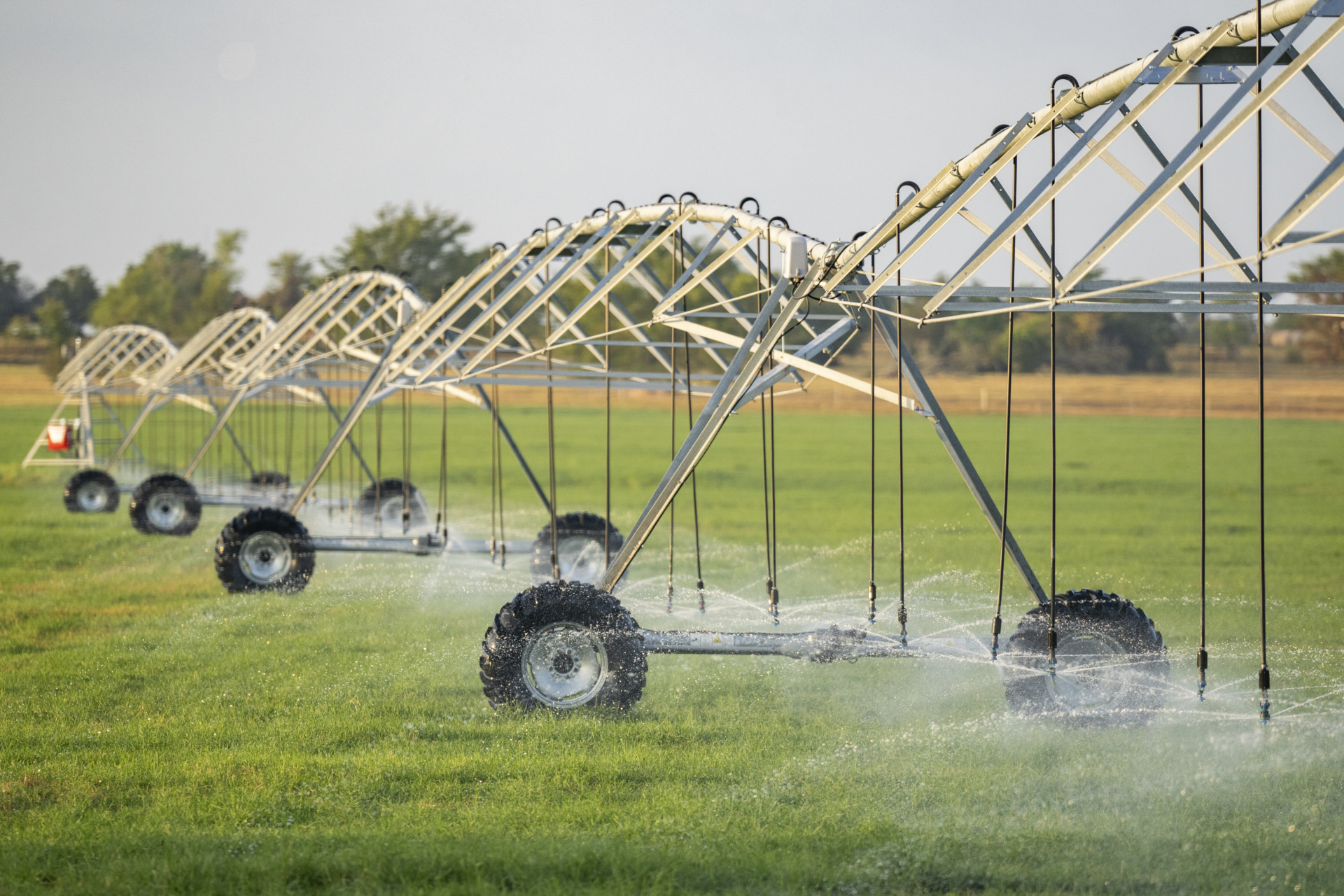
The economic impact of the complete lack of irrigation water for crop production in the Lower Rio Grande Valley in 2024 would be an estimated $495.8 million in direct revenue loss, according to a recent report by the Center for North American Studies, CNAS.

A study focusing on Northwest China's cotton fields by UNDP found persistent endosulfan residues from historical agricultural production despite its ban now.

RUDN University agronomists have figured out how to increase the content of iodine and selenium necessary for humans in fenugreek. Fenugreek is used as a medicinal raw material and also for making seasonings.

RUDN University agronomists have shown that in low concentrations colchicine improves millet yield and grain quality. Besides, it does not hurt the genetic diversity of subsequent generations.

The RUDN agronomist with colleagues from Bulgaria, Egypt, and Kazakhstan told what new feed crops for livestock need to be grown in dry steppes due to climate change.

This study is led by Prof. Jian-Xiang Liu (State Key Laboratory of Plant Environmental Resilience, College of Life Sciences, Zhejiang University).
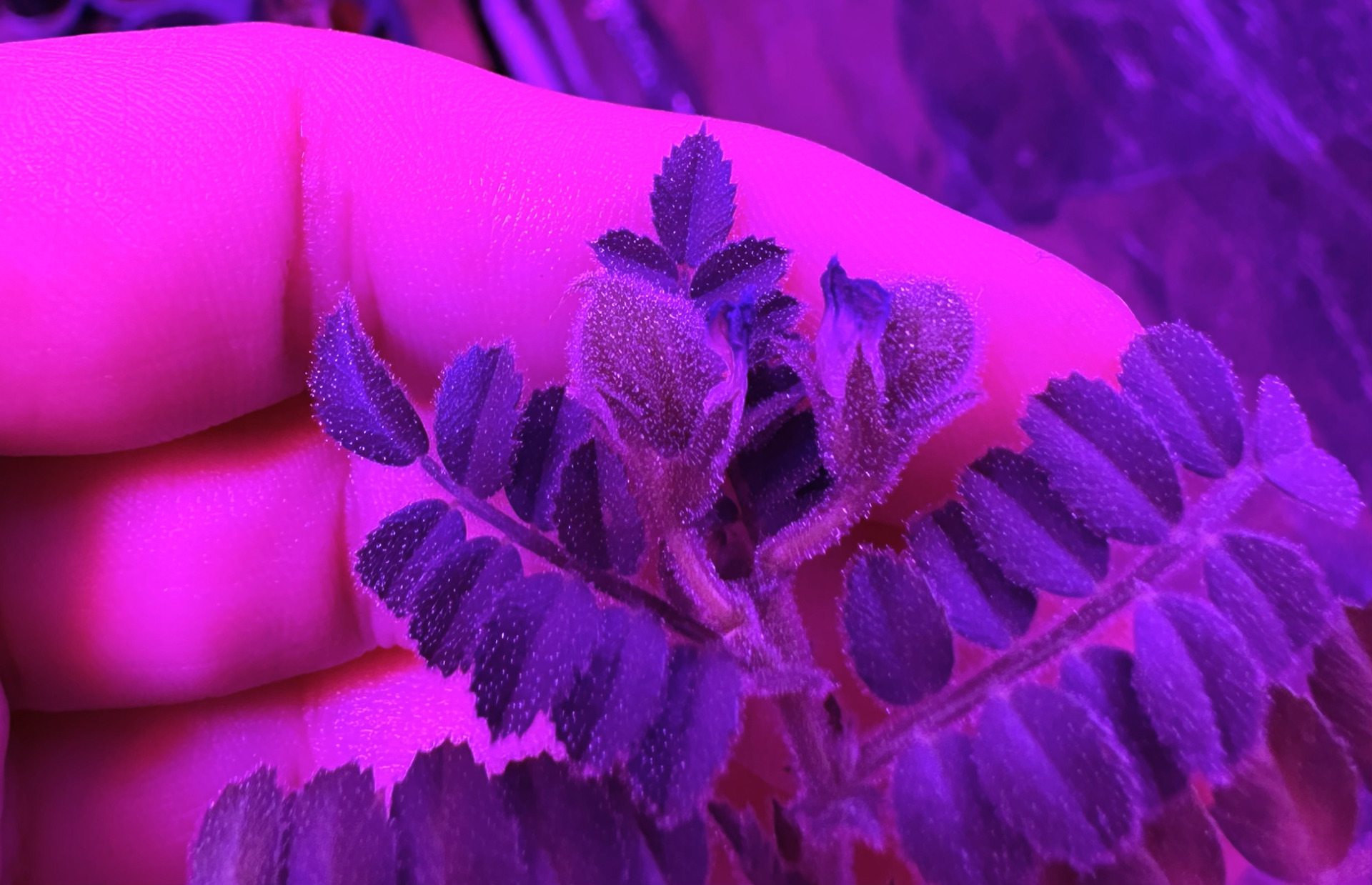
Texas A&M graduate student grows chickpeas in amended moondust.
It has long been known that agricultural pesticides are one of the greatest threats to bees and other essential pollinators.
 RSS
Medicine keyboard_arrow_right
Sciencekeyboard_arrow_right
Life keyboard_arrow_right
Business keyboard_arrow_right
Journal News keyboard_arrow_right
By Location keyboard_arrow_right
Meetings, Grants, and Events keyboard_arrow_right
RSS
Medicine keyboard_arrow_right
Sciencekeyboard_arrow_right
Life keyboard_arrow_right
Business keyboard_arrow_right
Journal News keyboard_arrow_right
By Location keyboard_arrow_right
Meetings, Grants, and Events keyboard_arrow_right

